
Smart Locks in a Vacation Rental: What Works
Codes that change between guests are the point. Everything else is detail.
Keypad and connected locks remove the need to hand over a physical key when guests arrive at a vacation rental on the Delaware beaches. Rather than arranging a meet-and-greet or leaving a key in a railing-mounted lockbox, you can assign each booking its own unique access code or virtual key. That eliminates the risk of a lost or copied key lingering after checkout. For owners of beachfront homes, cottages, or condos, this also reduces the temptation to install visible lockboxes on railings where they can corrode, be tampered with, or become an eyesore on a property meant to look tidy for guests.
Providing a code for each stay gives you clearer control over who can enter and when. You can set codes that expire automatically at checkout, which means you do not have to remember to change a physical lock or retrieve a key left behind. Connected locks add another layer of convenience by letting you manage codes remotely. If a guest calls with a last-minute change, you can update access from your phone or computer without sending anyone to the property. That workflow suits vacation rentals that turn over frequently, because it keeps management tasks digital and centralized instead of relying on handoffs or paper records.
What the owner actually gains is less about flashy tech and more about predictable, manageable access. You gain flexibility in guest arrival times without coordinating in-person key exchanges. You gain a clearer log of who used the entry and when, which can help resolve disputes about arrival or departure. You gain the option to remove entry from a lost or problematic guest quickly, and you gain one less physical item to track during turnovers. For renters at busy beach communities in Kent and Sussex counties, those operational changes can reduce the small stresses that add up across multiple bookings.
We are Lock and Key Locksmith, a mobile locksmith based in Georgetown, Delaware, serving every town in Kent County and Sussex County. If you want to discuss whether a keypad or connected lock suits your specific rental setup, call our van at (302) 271-0155 and we will explain the practical differences based on the property layout and guest flow. We carry the workshop on our van and come to the property to install or consult; there is no shop to visit.
Smart locks add convenience for vacation rentals, but they bring practical problems that rarely get mentioned. Batteries lose capacity in cold weather, and a handful of degrees can turn a healthy charge into a dead battery when the thermometer drops. We recommend checking battery condition before the season and carrying fresh batteries in a known location. Another common issue is wireless connectivity. A beach house or a rural rental can have spotty Wi‑Fi or an access point in the wrong corner of the property, and many smart locks depend on a stable connection for remote codes and status updates. Plan for intermittent service by choosing a lock that operates locally without cloud access for essential functions, and document how to use it when the network is down so guests can still get in and out.
Guests do not always follow instructions. They ignore a door code format, try to add codes they cannot remove, or misplace a mechanical key that was tucked under a planter. We see hosts left with an uncooperative guest and a lock that shows error messages because the user bypassed setup steps. Clear, simple instructions make a difference, and a printed backup posted inside the rental can prevent many problems. Keep contact information for someone on call who knows the system, and label any mechanical key location clearly for staff. Assume a portion of guests will not read lengthy instructions and make the fallback as simple as possible.
When the electronics fail, a mechanical override matters. A mechanical keyway can be the difference between a short service call and a guest locked out overnight. Choose a lock that offers a keyed entry option and treat the mechanical key like any other rental asset: track who has it and where it is stored. Keep at least one spare mechanical key offsite with a trusted neighbor or property manager and one on the property in a secure, documented place. Also keep basic tools and replacement batteries in a kit so on‑site staff or cleaners can address minor issues immediately. We recommend testing both the electronic and mechanical functions regularly so you know the backup will actually work when you need it.
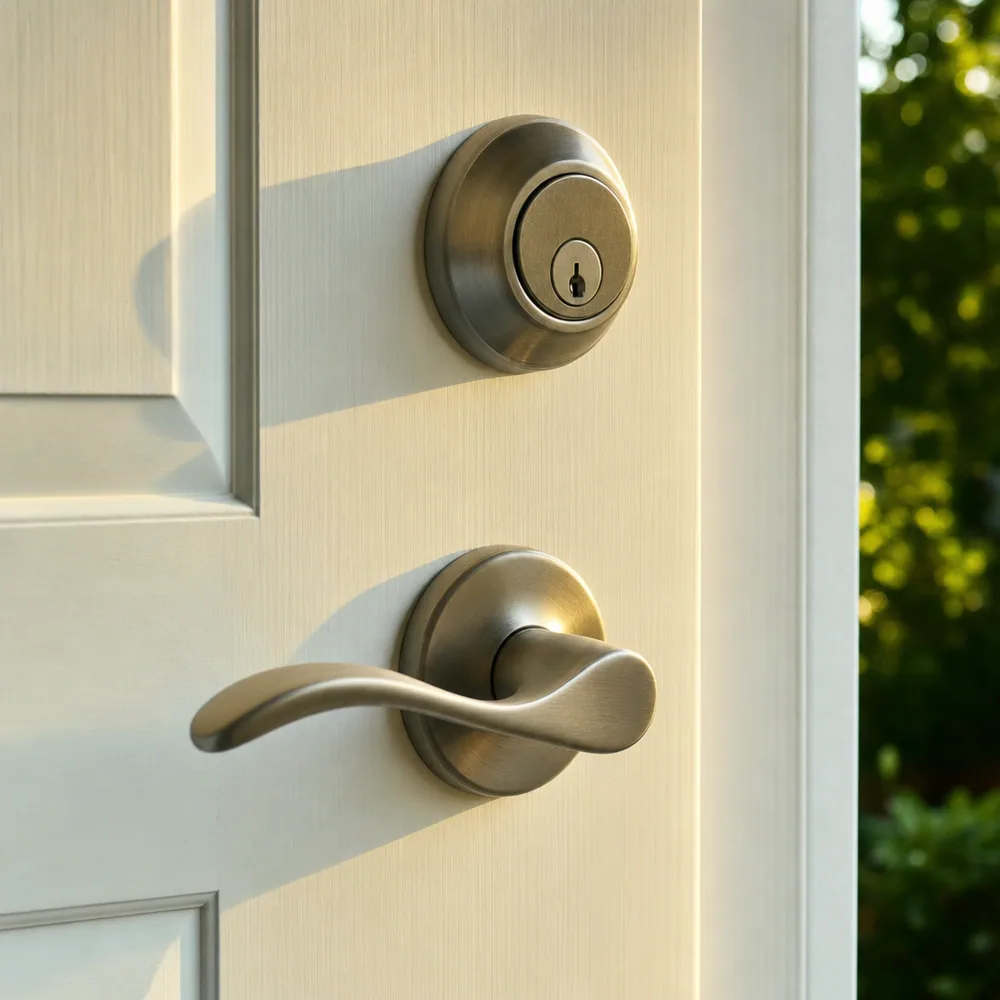
The services this article is about.
Every one of them is done at your address, anywhere in Kent and Sussex County.
The towns most of these calls come from.
More from Lock and Key.
You Just Moved In. Rekey the Locks or Replace Them?
The safe answer is usually the one people do not think of first.
Read it → 02Locked Out of the Car at a Delaware Beach
Sand, a spare in the glovebox, and a parking lot a long way from anywhere.
Read it → 03What Car Key Programming Actually Means
Cutting the metal is the easy half. The other half is a conversation with the car.
Read it → 04Door Hardware That Survives Salt Air
Coastal Sussex County is hard on door hardware. Here is what actually lasts.
Read it →Rather just ask someone?
We answer across all fifty towns in Kent & Sussex County, Delaware.